College Basketball Point Shaving: NCAA Match Fixing Investigations
 Available in US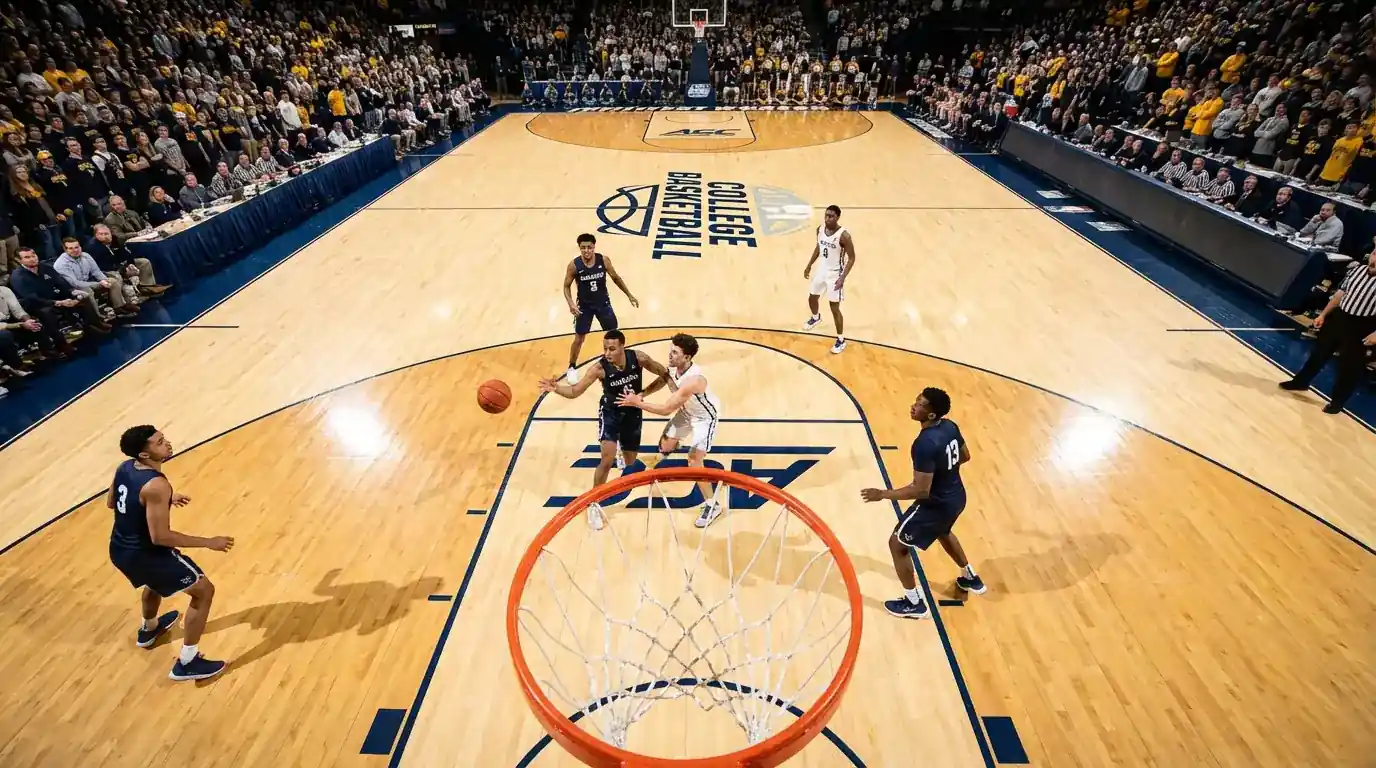
The federal indictment landed in early 2026 like a bomb. More than 39 players across 17 NCAA Division I teams had participated in a point-shaving scheme spanning two seasons. The scale dwarfed anything in college basketball’s scandal-riddled history. When I read through the 87-page filing from the Eastern District of Pennsylvania, the connections to professional basketball became immediately apparent and deeply concerning.
Players received between $10,000 and $30,000 per fixed game – sums that would barely register as pocket money for NBA veterans but represented transformative income for college athletes struggling to cover basic expenses. At least 29 games were deliberately manipulated across the 2023-24 and 2025-26 seasons. The scheme operated with remarkable openness, relying on the assumption that nobody would suspect student athletes of corruption on this scale.
For those of us tracking integrity threats to professional basketball, college scandals represent the upstream source of potential contamination. Players who fix games in college learn techniques, develop contacts, and establish patterns that can follow them into professional careers. The NCAA-to-NBA pipeline does not merely move talent; it can move corruption as well.
Quantitative Scope of the 2026 NCAA Fixing Network
The numbers stagger even hardened observers. Thirty-nine players from seventeen programmes, spanning conferences from coast to coast. The indictment named schools I cannot list here for legal reasons, but the geographic distribution revealed a national network rather than an isolated regional operation.
The scheme’s mechanics followed a familiar template with sophisticated execution. Recruiters identified players facing financial pressure – those supporting families back home, those with debts from pre-college life, those simply unable to resist five-figure payments for what seemed like minor performance adjustments. Point shaving does not require throwing games entirely; it merely requires ensuring victory margins stay within certain parameters.
A team favoured by 12 points might win by 8. The team still wins, the coach still celebrates, but bettors who took the underdog plus the points cash their tickets. From the players’ perspective, they have not really done anything wrong – they won the game, after all. This psychological rationalisation makes point shaving more tempting than outright game-fixing to young athletes whose competitive instincts resist losing deliberately.
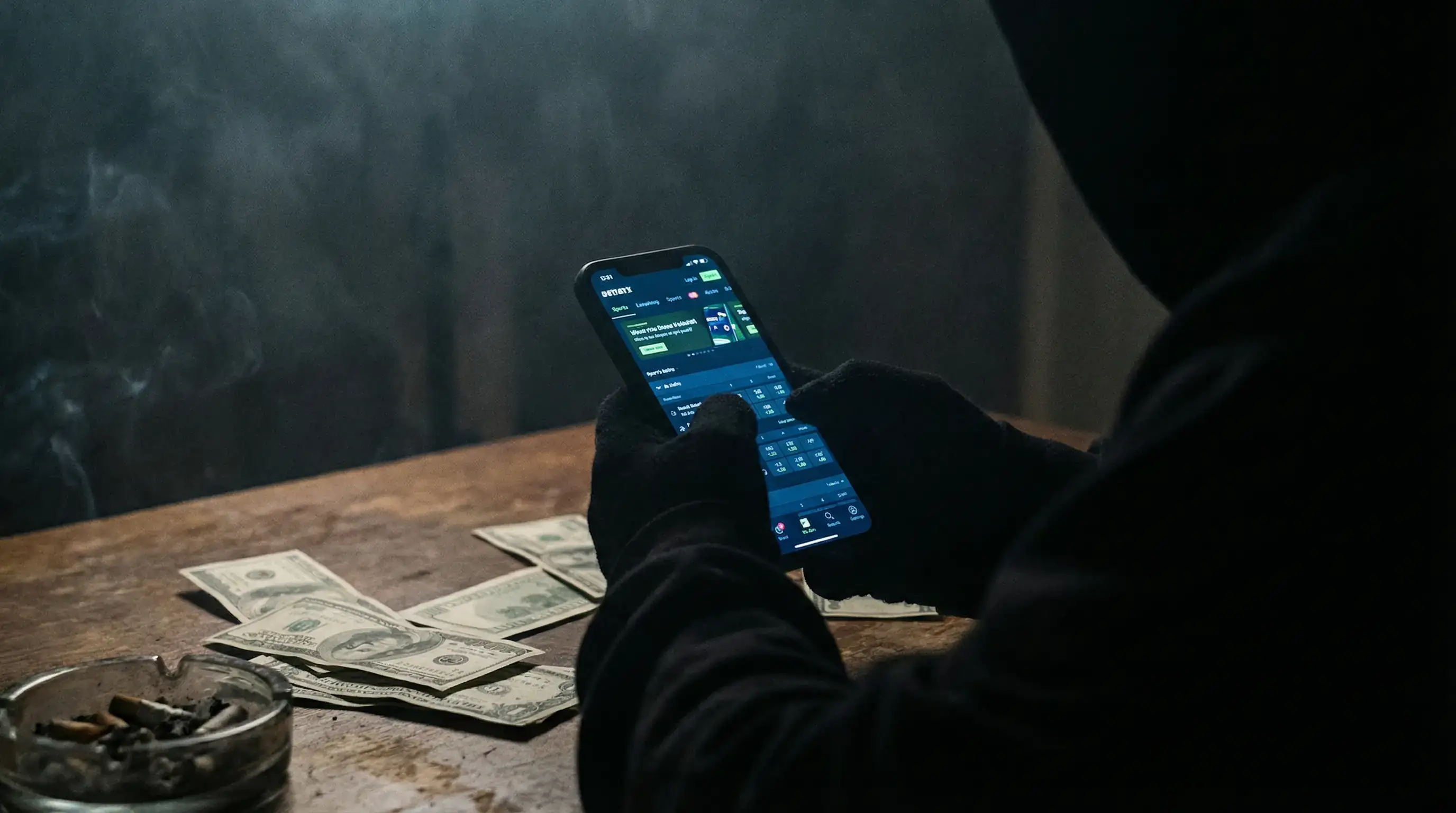
The federal investigation traced payments through a web of intermediaries, some connected to organised gambling operations and others apparently operating independently. Cash payments, Venmo transfers, cryptocurrency transactions, and even gift cards created financial trails that eventually led investigators to the players themselves. The scheme’s longevity – at least 29 games over two seasons – reflected both its organisational sophistication and the apparent absence of effective detection during its operation.
How Players Are Recruited
Vulnerability comes in many forms. I have interviewed former college athletes who faced recruitment approaches, and their stories share common elements. The approach rarely begins with an explicit corruption offer. Instead, it starts with relationship-building – an admiring stranger offering to buy dinner, a new friend with connections to the sports betting world, a helpful figure providing small financial assistance with no strings initially attached.
Once relationships establish trust, the conversation shifts. The recruiter might mention knowing people who bet on games and suggest that certain information would be valuable. Or they might frame participation as a victimless arrangement: “You’re already going to win anyway; just don’t run up the score.” The incremental nature of compromise makes each step feel manageable until participants are deeply enmeshed.
Financial desperation accelerates recruitment. College athletes, particularly those from low-income backgrounds, often face genuine hardship despite their athletic celebrity. The NCAA’s recent compensation reforms have helped, but significant gaps remain. A $30,000 payment to fix a single game exceeds what many student athletes receive in an entire year of name, image, and likeness deals. The mathematics of temptation favour the corruptors.
The 2026 indictment revealed that recruiters specifically targeted players with known financial struggles. They had done their research, identifying who was sending money home, who had past-due bills, who talked about financial stress with teammates. This targeting efficiency explains how they achieved such broad participation – they approached those most likely to say yes.
The NCAA-to-NBA Connection
Not every college player involved in fixing enters the professional ranks, but some do. The 2026 scandal included several players projected as NBA draft picks, raising immediate questions about whether their corruption would travel with them to the league.
Research into NCAA student gambling behaviour reveals troubling patterns. Sixty-seven percent of students living in campus housing reported betting on sports, with 41 percent wagering on their own school’s teams. This normalisation of gambling culture creates an environment where more serious integrity violations can develop naturally. A player who starts by betting small amounts on his own games may progress to manipulating those games for profit.
The NBA’s response to the NCAA scandal has included enhanced background investigations for draft prospects. Teams now specifically examine whether potential picks appeared in any games flagged for unusual betting activity, even if no individual was ever charged. The burden of proof for drafting someone differs from the burden for prosecution – teams can simply pass on prospects who raise integrity questions.
For UK observers, this pipeline matters because NBA rosters contain former college players. The integrity of professional games depends partly on players having learned clean habits in their formative competitive years. A generation of college basketball compromised by widespread point shaving could export that compromise to leagues worldwide where those players eventually compete.
Why Student Athletes Remain Vulnerable
The structural vulnerabilities persist despite reform efforts. College athletes generate enormous revenue for their institutions while receiving, even post-NIL reforms, comparatively modest compensation. The gap between the value athletes create and the compensation they receive fuels resentment that corruptors exploit.
Age compounds vulnerability. College players are typically between 18 and 22, making decisions with incomplete brain development in the regions governing risk assessment and long-term consequences. A $30,000 payment for one fixed game seems like life-changing money. The potential consequences – criminal prosecution, permanent basketball ban, destroyed reputation – feel abstract and distant until they arrive.
The absence of robust integrity education in most college programmes leaves players unprepared to recognise and resist recruitment. The NBA’s anti-gambling training begins at the professional level; college equivalents vary enormously in quality and reach. Some programmes deliver serious integrity education; others check compliance boxes with perfunctory presentations that players ignore.
Understanding these vulnerabilities helps explain why the professional basketball scandal landscape continues generating new cases. The college system produces players technically skilled in basketball but often poorly prepared for the integrity challenges awaiting them. Until that preparation gap closes, the pipeline from NCAA corruption to professional leagues remains open.
How many NCAA players were involved in the 2026 scandal?
The federal indictment named more than 39 players from 17 NCAA Division I basketball programmes. At least 29 games were deliberately manipulated across the 2023-24 and 2025-26 seasons, making this the largest college basketball point-shaving scandal in American history.
What payments did college players receive for point shaving?
According to the federal indictment, payments to players ranged from $10,000 to $30,000 per fixed game. These sums, while modest by professional standards, represent significant income for college athletes whose official compensation remains limited despite recent NIL reforms.
Written by the editors at nba Player Betting on Games.