PASPA Repeal Sports Betting: Supreme Court Decision Market Impact
 Available in US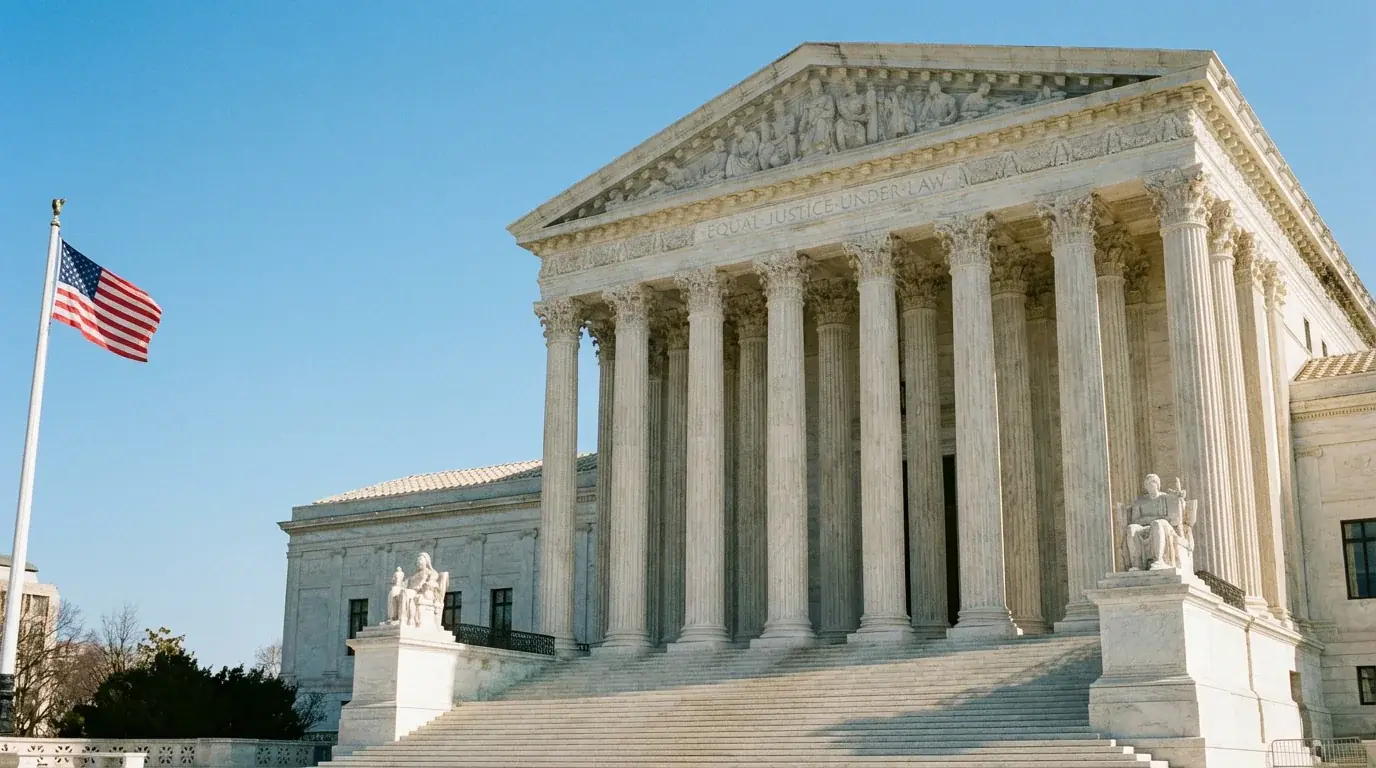
Before 2018, Americans legally wagered less than $5 billion on sports annually – virtually all of it in Nevada. By 2025, that figure had exploded to approximately $150 billion. The catalyst was a single Supreme Court decision that overturned a federal law most Americans had never heard of. In my work tracking sports betting integrity, I mark May 2018 as the moment everything changed.
The Professional and Amateur Sports Protection Act, known as PASPA, had functioned since 1992 as a near-total federal prohibition on sports betting outside Nevada. Its repeal did not legalise sports betting nationally – that determination fell to individual states – but it removed the federal barrier that had prevented states from choosing legalisation. Within six years, the American sports betting landscape became unrecognisable.
For UK observers, understanding PASPA and its aftermath explains why American sports betting developed so differently from your own market. The sudden legalisation, the state-by-state patchwork, the aggressive marketing, and the integrity challenges all trace back to how this transition occurred.
Statutory Prohibitions of the Original PASPA Law
PASPA did not make sports betting a federal crime for individual bettors. Instead, it prohibited states from authorising, licensing, or operating sports betting schemes. The distinction matters: Americans could travel to Nevada and bet legally, but their home states could not create competing legal markets.
The law contained a grandfather clause exempting states with existing sports betting operations, which in practice meant only Nevada. New Jersey had a window to opt in but missed the deadline. This created the peculiar situation where one state enjoyed a legal monopoly on sports betting while 49 others faced federal prohibition against creating their own markets.
From a practical standpoint, PASPA did not eliminate sports betting – it pushed the activity underground or offshore. Americans bet billions annually through illegal bookmakers operating domestically and through offshore online operations based in jurisdictions outside US enforcement reach. The prohibition created no shortage of betting options; it merely ensured that none of those options generated tax revenue or operated under regulatory oversight.
The NBA and other professional leagues officially supported PASPA for decades, arguing that legal betting threatened competitive integrity. This position seemed coherent until Commissioner Silver’s 2014 op-ed acknowledged the obvious: Americans were betting anyway, and legalisation might actually improve integrity monitoring by bringing the activity into regulated channels.
The Supreme Court Decision
New Jersey challenged PASPA repeatedly, arguing that the federal government could not commandeer state legislative processes by telling states what they could not legalise. The constitutional argument centred on federalism principles rather than any right to gamble. After lower court losses, the case reached the Supreme Court as Murphy v. NCAA.
The Court ruled 7-2 that PASPA violated the anti-commandeering doctrine of the Tenth Amendment. Justice Samuel Alito’s majority opinion held that Congress cannot issue direct orders to state legislatures, even through prohibitions. If the federal government wanted to ban sports betting, it would need to do so directly through federal law rather than by preventing states from authorising the activity.
The decision did not legalise sports betting. It eliminated the federal obstacle to state legalisation. The day after the ruling, New Jersey became the second state with legal sports betting. Delaware, Mississippi, West Virginia, and others followed within months. The cascade had begun.
What struck many observers was how quickly the leagues reversed their positions. Having argued for decades that legal betting threatened their sports, the NBA, NFL, MLB, and NHL pivoted almost immediately to partnership discussions with sportsbook operators. The previous opposition appeared, in retrospect, more about protecting their own potential revenue streams than principled concern about competitive integrity.
Market Explosion
The numbers since 2018 stagger comprehension. Americans legally wagered approximately $150 billion on sports in 2025 – a thirty-fold increase from the pre-PASPA baseline of under $5 billion. US sports betting revenue hit $13.71 billion in 2025 and climbed to $16.85 billion in 2025. The growth shows no signs of plateauing.
More than 30 states now offer legal sports betting, with additional states joining regularly. Mobile betting, unavailable under Nevada’s pre-PASPA regime for most users, now dominates the market. The convenience of betting from your phone has proven transformative, eliminating the friction that once limited participation to those willing to visit physical sportsbooks.
NBA betting specifically has flourished. Basketball’s continuous action, frequent scoring, and extensive statistical output make it ideally suited for the prop bets and live wagering that drive modern sportsbook revenue. The league’s embrace of betting integration – in-game odds displays, official sportsbook partnerships, betting-focused content – has positioned it as a primary beneficiary of the post-PASPA expansion.
For integrity monitors, this growth represents both opportunity and challenge. Larger legal markets generate more data for anomaly detection. But the same markets create more manipulation opportunities, more bettors seeking edges, and more pressure on athletes who suddenly find their individual performances converted into betting propositions.
Unintended Consequences
Representative Paul Tonko captured the emerging critique when he called the NBA scandals an inevitable consequence of the unchecked explosion of the sports betting industry. His assessment reflects growing concern that the post-PASPA environment evolved faster than regulatory frameworks could adapt.
State-by-state legalisation created a regulatory patchwork that significantly complicated oversight efforts. A bettor in New Jersey faces different rules than one in Pennsylvania. A sportsbook licensed in multiple states navigates multiple compliance regimes simultaneously. Coordinating integrity investigations across jurisdictions requires cooperation that does not always materialise efficiently or quickly enough.
The prop bet markets that enabled manipulation expanded dramatically after PASPA’s repeal. Pre-2018, proposition bets on individual player performance existed primarily for marquee events. Post-PASPA, they became standard offerings for every NBA game. This expansion created new revenue streams for sportsbooks while simultaneously creating new manipulation vectors that integrity systems were not designed to monitor.
Commissioner Silver himself has acknowledged policy gaps, expressing his wish for federal legislation rather than state-by-state regulation. The irony is apparent: the leagues’ previous support for federal prohibition through PASPA has been replaced by calls for federal coordination that does not currently exist. Having won the ability to work with legal betting, the industry now confronts the complications that legalisation brought.
UK observers can draw valuable lessons from this American experience. Your market developed over decades with consistent national regulation under the Gambling Commission framework. The American market emerged essentially overnight with fragmented oversight across dozens of jurisdictions. The resulting integrity challenges do not necessarily indicate that legal betting is inherently problematic – they may instead reflect how quickly and haphazardly American legalisation occurred.
How much did US sports betting grow after PASPA repeal?
Americans legally wagered less than $5 billion on sports annually before 2018. By 2025, that figure reached approximately $150 billion – a thirty-fold increase in just six years. This explosive growth followed the Supreme Court’s Murphy v. NCAA decision that allowed states to legalise sports betting.
Which states still prohibit sports betting?
As of 2026, fewer than 20 states lack legal sports betting, though the number continues declining as additional states pass legalisation. Notable holdouts include California and Texas, though both have active legalisation campaigns. Each state makes its own determination following the PASPA repeal.
Written by the editors at nba Player Betting on Games.