Rep. Paul Tonko Gambling Statement: Federal Wagering Reform Push
 Available in US
“This is an inevitable consequence of the unchecked explosion of the sports betting industry.” When Representative Paul Tonko issued that statement following the October 2025 NBA arrests, he articulated what many legislators had quietly believed since the 2018 PASPA repeal unleashed legal sports betting across America. The scandals were not aberrations to be addressed through better enforcement alone – they were predictable outcomes of a policy choice that prioritised revenue over integrity from the beginning.
Tonko’s criticism represents one pole in the ongoing Congressional debate about sports betting regulation going forward. Some legislators view the scandals as calling for enhanced oversight within the existing legal framework. Others, like Tonko, suggest the framework itself is flawed – that legalisation without adequate federal coordination invited exactly the corruption now being prosecuted.
For those of us tracking sports betting policy professionally, Congressional voices like Tonko’s matter because they may shape future legislation. The current state-by-state regulatory patchwork emerged from Congressional inaction following PASPA’s repeal. If scandals generate sufficient political pressure for change, federal legislation might finally address the coordination gaps that critics identify as fundamental problems.
Core Arguments in Tonko’s Legislative Push
Representative Tonko’s October 2025 statement responded directly to the FBI arrests that swept up 34 individuals including NBA players and organised crime associates. His language – “inevitable consequence” and “unchecked explosion” – framed the scandals as systemic failures rather than individual misconduct. This framing carries policy implications that extend beyond the immediate cases.
The statement positioned Tonko among legislators who had warned about betting expansion risks before legalisation accelerated. These warnings, largely ignored during the post-PASPA enthusiasm for gambling revenue, now appear more prescient than they seemed when offered. The scandals validate concerns that the promise of tax revenue overwhelmed prudent regulatory caution.
Tonko represents a New York district where sports betting has become pervasive since state legalisation. His criticism cannot be dismissed as opposition from a jurisdiction without betting stakes. Rather, it reflects observation of what legal betting has produced in a major market – both substantial revenue and integrity problems that revenue cannot easily resolve.
The “unchecked” characterisation carries particular weight. It suggests not merely that problems occurred but that the regulatory framework lacks adequate controls. The criticism extends beyond enforcement failures to the structural design of American sports betting governance – or rather, the absence of coherent federal governance amid 50 different state approaches.
Legislative Context
Tonko’s statement emerged within a broader Congressional inquiry into NBA gambling practices and sports betting generally. The Senate Commerce Committee had already sent bipartisan letters to Adam Silver demanding answers about what the league knew and when it became aware. Multiple Congressional committees expressed concern about organised crime infiltration of legal betting markets.
Commissioner Silver himself had called for federal legislation rather than the current state-by-state approach. His wish for federal coordination, expressed on the Pat McAfee Show in October 2025, aligned with critiques from legislators like Tonko even while coming from different motivations. The league wants regulatory clarity and consistency; critics want regulatory strength and protection.
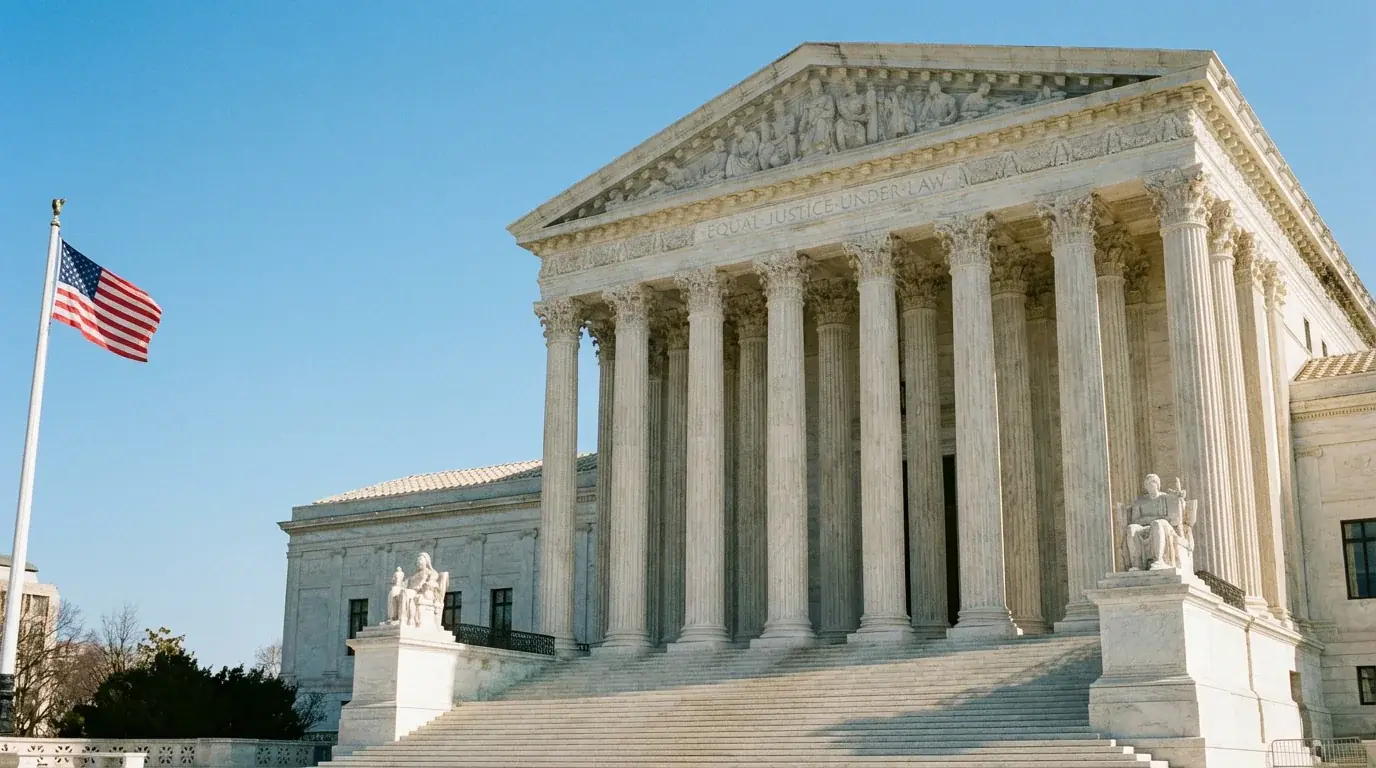
The legislative context includes earlier failed attempts at federal sports betting legislation since PASPA fell. Since the Supreme Court’s repeal decision, various bills have been introduced to establish federal oversight, create national integrity standards, or require data sharing among state regulators. None have advanced significantly, leaving the regulatory patchwork intact despite widespread acknowledgment of its limitations.
Political dynamics complicate legislative progress on gambling issues substantially. The gambling industry now generates substantial campaign contributions and employs significant lobbying resources in Washington and state capitals. State governments that benefit from gambling tax revenue resist federal interference that might reduce their take. These interests create powerful obstacles that scandal-driven reform must overcome.
Reform Proposals
Tonko and allied legislators have proposed various reforms to address sports betting integrity concerns at the federal level. Federal coordination of state regulatory efforts represents one approach – creating information-sharing requirements and minimum standards that states must meet without displacing state authority entirely or triggering federalism objections.
Restrictions on certain bet types have received significant legislative attention following the Porter case. Proposition bets on individual player performance appear particularly vulnerable to manipulation, and some legislators have proposed federal prohibition or restriction of these markets. The industry strongly opposes such restrictions as regulatory overreach that would harm legitimate bettors.
Enhanced enforcement authority for federal agencies represents another reform category under consideration. Current federal involvement in sports betting integrity depends on existing wire fraud and gambling statutes not specifically designed for legal sports betting contexts. Purpose-built authority might enable more effective enforcement tailored to the specific challenges that legal betting creates.
Advertising restrictions have gained support across the political spectrum as scandals focused public attention on gambling promotion pervasiveness. Silver’s own comments about monitoring promotion amounts suggest even industry insiders recognise that current advertising intensity may be unsustainable. Legislative advertising limits might reduce gambling normalisation among young people particularly.
Industry Response
The gambling industry has pushed back against Tonko-style criticism, arguing that isolated scandals should not discredit an entire regulatory framework that works for millions of bettors without incident. Industry representatives point to the very detection of these schemes as evidence that integrity systems function effectively – problems were identified and addressed rather than going indefinitely unnoticed as they might have in unregulated markets.
Trade associations representing sportsbooks have offered cooperation with enhanced integrity measures while opposing fundamental restructuring of the regulatory landscape. They prefer working within the current state-based system, which they have spent years navigating and influencing through lobbying and relationship building, rather than adapting to new federal oversight with uncertain parameters and potentially hostile regulators.
The industry’s substantial political investments position it to resist legislation it opposes effectively. Campaign contributions, lobbying expenditures, and carefully cultivated relationships with key committee members provide influence that critics like Tonko cannot easily match with smaller budgets. The asymmetry of resources between industry and reformers shapes what legislation can realistically advance through Congressional processes.
Some industry voices have acknowledged that current practices may require adjustment in response to public pressure. Restrictions on certain prop betting markets, enhanced monitoring systems, and advertising moderation have received varying degrees of industry support as alternatives to more fundamental regulatory reform. These concessions may pre-empt more aggressive legislation by demonstrating voluntary improvement.
The debate continues between those who view scandals as growing pains in an essentially sound system and those who view them as symptoms of structural flaws requiring structural solutions. Tonko represents the latter view clearly, arguing that regulatory failure was predictable from the outset and that more of the same regulatory approach will produce more of the same problematic results.
What did Rep. Paul Tonko say about NBA gambling?
Following the October 2025 NBA arrests, Tonko called the scandals an inevitable consequence of the unchecked explosion of the sports betting industry. His statement framed the problems as systemic failures of the regulatory framework rather than isolated individual misconduct.
What reforms has Congress proposed for sports betting?
Proposed reforms include federal coordination of state regulatory efforts, restrictions on proposition betting, enhanced federal enforcement authority, and advertising limitations. None have advanced significantly due to industry opposition and the political dynamics surrounding gambling revenue.
Written by the editors at nba Player Betting on Games.